Safe on the road with a passenger car trailer
Many drivers focus mainly on their towing vehicle. Yet, trailers perform hard work every day. That’s why it’s important to also give the towed units the attention they deserve. Proper maintenance and regular inspections not only extend the lifespan of your trailer but also ensure maximum safety while driving. Find out here what you should look out for.

Safety: What matters with a passenger car trailer
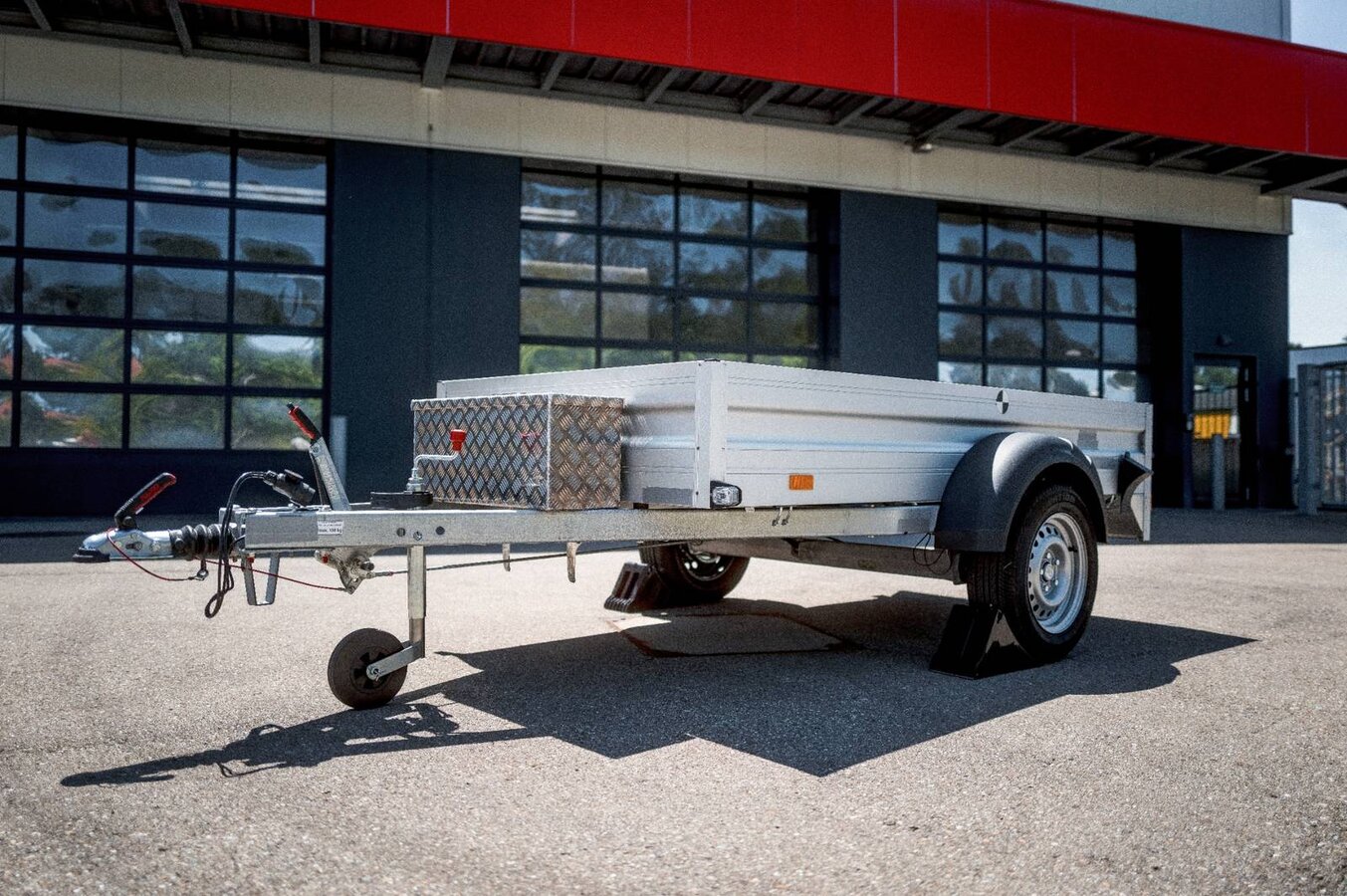
Passenger car trailers are getting older and older. According to the Federal Motor Transport Authority, the average age of towed units for cars is currently almost 19 years. This makes it even more important, especially with older models, to pay attention to safety. Here’s what matters.
Checklist: Ready for the road after the winter break
You can and should do this yourself: After a longer period of standing still, thoroughly check your trailer. These are the key topics:
- Body & structure: Any damages or loose parts?
- Tyres: Check air pressure, tread depth and for any possible cracks
- Lights & electrics: Do all bulbs work?
- Brakes & towing connection: Check movement and wear
- Inspection & service dates: Are all inspections up to date?
If you have any uncertainty after your inspection, a check in a professional workshop is recommended.
Brakes: When is an upgrade worthwhile?
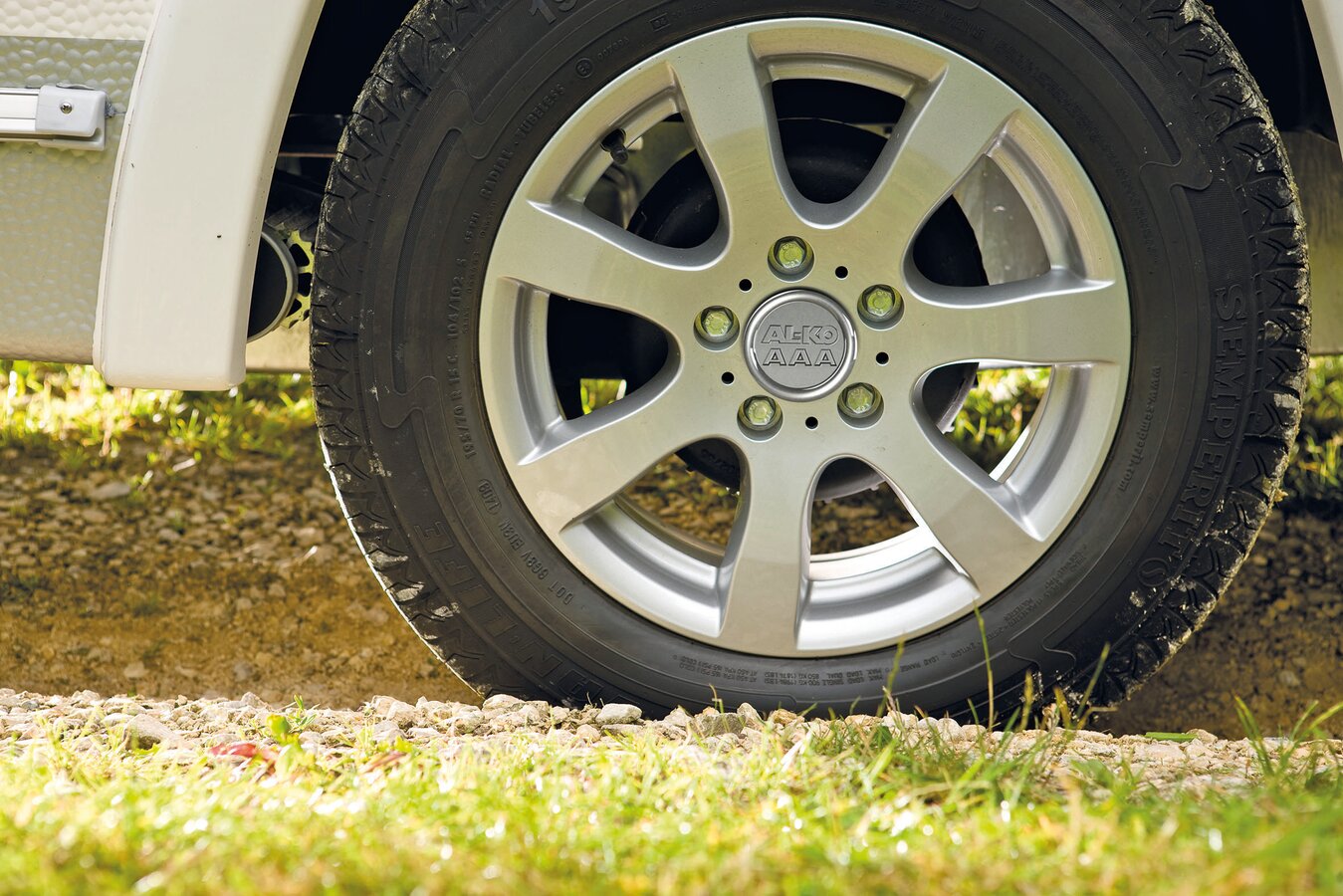
Especially older trailer models can be made safer with a modern braking system. The AAA brakes from AL-KO VT shorten the braking distance and also provide greater driving comfort. As soon as the linings of the old brakes are worn down, you should therefore consider replacing them. Retrofitting is possible with AL-KO VT axles from model year 1999 onwards. There is no need to present the vehicle again to the vehicle inspection authority after the conversion.
Greater safety with the AAA
With the AAA (AL-KO Automatic Adjustment) Premium Brake, AL-KO VT has fundamentally improved braking technology. As soon as the brake linings have too much play, the brake automatically makes the necessary adjustment. This protects the brake linings, fully exploits the service life of the wheel brake and minimises the braking distance.
Nevertheless, regular maintenance remains essential. Brake rods or Bowden cables must be adjusted regularly and the drum brakes serviced. This ensures the optimal transfer of braking forces and guarantees the best possible braking distance for your vehicle combination.
Greater driving comfort with the AAA
The AAA from AL-KO VT ensures even transfer of braking forces and makes reversing with a trailer just as easy as driving forwards.
Older drum brake models tend to judder: minor but noticeable unevennesses can be felt in the towing vehicle while braking. The AAA from AL-KO VT reliably prevents this effect.
Furthermore, older drum brake models activate the brake function when reversing. The AAA from AL-KO VT puts a stop to this: thanks to a special mechanism in the brake drums, it automatically detects when the vehicle is reversing. You no longer have to intervene manually.
Conclusion
Tips for safe driving with your trailer
- Distribute your load correctly:
Place heavier items centrally; observe the nose weight. - Secure the load:
Straps and nets prevent items from sliding. - Allow for increased braking distance:
Trailers very significantly lengthen your stopping distance. - Adapt your approach to corners:
Drive slower to avoid snaking. - Practise reversing:
An open area is ideal for practice.
You can read more about safe driving and braking with a trailer in our blog post from head of service Florian Vorreiter:


Topics you should leave to the professionals
You should keep an eye on these tasks and have them carried out by a professional workshop or an AL-KO VT customer centre. This way, you will enjoy your trailer for a long time:
- Regular inspection:
First brake inspection after no more than 1,500 km or six months. After that, have the lining wear checked every 10,000 km or annually – for mountain driving, possibly earlier. - Adjusting the wheel brake:
Adjustment is carried out directly on the wheel brake using the adjusting nut, not on the linkage. The remaining lining thickness should be at least 2 mm. - Every two years, open the wheel brakes, check internal parts for correct function and mobility, clean and lubricate with heat-resistant grease.
- Replace brake shoes:
Renew brake shoes after five to six years at the latest, or if the lining thickness is too low. - Check wheels and cables:
Regularly check wheel bolts with the specified tightening torque and retighten if necessary. Bowden cables should be moisture-protected to prevent corrosion and failures. Ideally, use AL-KO VT Profi Longlife Bowden cables.
After registering, you will receive exclusive information about products, news, offers and more direct to your email inbox.